Digital White-Glove: Gamifying Access in the 2026 Luxury Landscape
Key Highlights
-
Access over Discounts: Luxury brands must protect their equity by replacing margin-killing price cuts with "Velvet Rope" experiences and exclusive access.
-
The Digital White-Glove Gap: 2026 leaders bridge the gap between boutique personal shoppers and static web searches through interactive, high-fidelity discovery.
-
Grooming Future VICs: Gamified heritage storytelling keeps aspirational buyers engaged for years, building brand affinity long before their first major purchase.
-
Friction as Value: Intentional "Velvet Rope" mechanics making a product harder to earn increase perceived value and allure among true brand aficionados.
-
Invisible Tech Integration: A luxury engagement layer must be indistinguishable from the brand's aesthetic, providing million-dollar experiences without generic widgets.
Beyond the Champagne Service
In the luxury landscape of 2026, the traditional "white-glove service" has migrated from the boutique's marble floors to the palm of the client’s hand. The modern luxury consumer driven by Gen Z and younger Millennials expects a digital experience that mirrors the exclusivity of a private atelier. However, a profound conflict has emerged: luxury brands often struggle to translate their elite in-store clienteling into an app or website without it feeling like a mass-market e-commerce store. The aspirational buyer engages daily but purchases annually, while the Very Important Client (VIC) demands absolute personalization. In this world, the standard "points-for-discounts" model is not just ineffective it is a brand-diluting taboo. To maintain their aura, luxury houses are turning to Behavioral Architecture to replace financial incentives with experiential ones. In 2026, the goal is no longer just to sell; it is to invite the user into a "Digital Vault" where loyalty is rewarded with Access.
1.The 2026 Reality: The "Aspirational" Dilemma
Luxury brands in 2026 face a unique challenge: How to engage the 95% of users who love the brand but cannot yet afford a $10,000 handbag? If these users are treated as mere "traffic," they will drift away. The solution lies in Heritage as Engagement. By using a brand's rich history, craftsmanship, and archives as interactive content, luxury houses can educate and build deep emotional loyalty. This transforms the digital experience from a "catalog" into a "private museum," where the user's knowledge and affinity are the primary currencies.
2. Solving the Structural Luxury Disconnect
The gap between "elite service" and "digital convenience" is where brand cachet is often lost. Here is how the 2026 market leaders are redefining the digital-to-physical handoff:
| 2026 Luxury Challenge | The Impact on Brand | The Engagement Solution |
|---|---|---|
| The Discount Taboo | Dilutes brand aura and prestige. | Exclusivity Rewards: Replacing 20% off with "Private Event" invites. |
| Search Bar Apathy | Fails to build emotional rapport. | Digital Atelier: Curated, interactive style profiling. |
| Alienated Aspirants | Loss of future buying power. | Heritage Mastery: Rewarding brand knowledge with status tiers. |
| Mass-Market Feel | Standard e-com templates feel "cheap." | The Digital Vault: Gamified, unlockable private collections. |
| Fragmented Data | Client advisors lack context. | ZPD Syncing: Feeding engagement data directly into bespoke CRMs. |
3. Powering the Elite Journey: The Digital Clienteling Infrastructure
In the world of high-end luxury, the digital experience must be indistinguishable from the brand’s physical heritage. True prestige is maintained through a Digital Clienteling Infrastructure that prioritizes "access" and "discretion" over mass-market visibility. By implementing a sophisticated Engagement Layer, luxury maisons can translate their storied boutique service into a seamless, white-labeled digital environment.
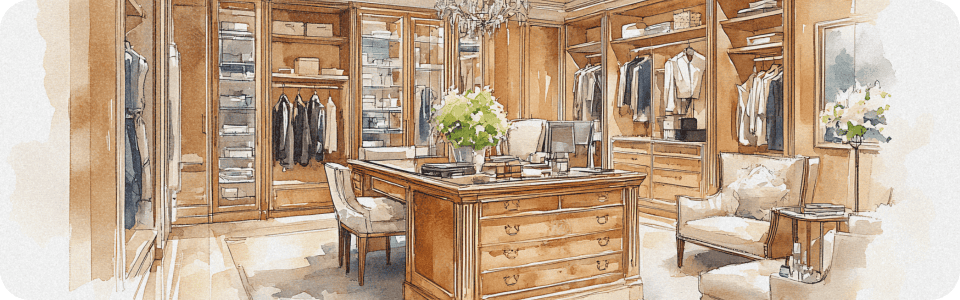
This refined architecture allows brands to deploy specific mechanics that bridge the gap between digital convenience and the "white-glove" standard:
- Use Case 1: The "Digital Atelier" Personalization (Aesthetic ZPD)
High-net-worth individuals find the traditional infinite scroll tedious and fundamentally uninspiring. To mirror the personal shopper experience, industry leaders are utilizing Interactive Aesthetic Profilers. Instead of dry forms, users engage with elegant, visual discovery tools selecting preferred textures, art movements, and travel destinations. This captures deep Zero-Party Data (ZPD) that is immediately synchronized with a human Client Advisor. This ensures that the subsequent outreach whether via WhatsApp or a private invitation is hyper-personalized, transforming a data point into a bespoke human relationship.
- Use Case 2: The "Hidden Archive" (Selective Campaign Access)
Launching a limited-edition capsule through mass-market communication risks diluting the brand’s exclusivity. Modern luxury houses are now utilizing Intentional Friction to reward true brand aficionados. Cryptic invitations lead selected users to a "Digital Vault" that can only be unlocked by demonstrating knowledge of the Maison’s 19th-century craftsmanship. By rewarding brand affinity over mere spending power, the collection sells out to a core community of experts, driving massive cultural hype while maintaining a strict "Velvet Rope" policy.
- Use Case 3: The "Provenance Passport" (Digital-to-Physical Loyalty)
A significant challenge in luxury is the "post-purchase void" where the relationship often ends once the client leaves the boutique. Retailers are now bridging this divide through NFC-Enabled Provenance Passports. By scanning a physical item (such as a limited-edition watch or bag) to add it to a digital "Personal Vault," users officially register their collection. This "Collector Status" unlocks tiers of experiential rewards, such as priority pre-orders for future seasons or invitations to private cocktail events, turning a one-time purchase into a lifelong membership in the brand’s inner circle.
The Prestige Architecture: Your Invisible Middleware
In the elite world of 2026 luxury, the greatest technical challenge is ensuring that digital innovation never feels "clunky" or "mass-market." While luxury maisons have a clear vision for exclusive digital ateliers, they are often held back by legacy IT rigidity where even a minor update to an app or website risks diluting the brand’s flawless aesthetic.
This is where the Guul infrastructure serves as your Invisible Middleware. Guul provides a bespoke, white-labeled engagement layer that integrates seamlessly with your high-end e-commerce stack without demanding a disruptive overhaul of your core systems. You can now launch an elegant "Digital Atelier" profiler or a cryptic "Hidden Archive" treasure hunt with the speed of a seasonal collection, rather than the crawl of a traditional IT roadmap.
Whether you need to sync VIP engagement data directly to your Client Advisors' CRM to facilitate a "white-glove" follow-up, or validate physical ownership via NFC-powered "Provenance Passports," Guul provides the agile, premium framework to turn your digital presence into a private invitation.
Don’t let outdated infrastructure limit your Maison’s allure. Build a digital velvet rope that rewards loyalty with prestige effortlessly.
Conclusion
In 2026, true luxury is no longer just what you own; it’s the exclusive world you are invited to participate in. By using behavioral architecture, luxury brands can deliver the digital equivalent of white-glove service rewarding loyalty with access, not discounts.
Key Takeaways
-
Exclusivity is the Only Currency: In 2026, never reward with money; always reward with "Access." Early runway looks or 1-on-1 styling sessions are the ultimate incentives.
-
Friction Creates Desire: Making a collection "unlockable" through a heritage quiz doesn't annoy luxury buyers; it makes the product feel more worthy of their attention.
-
Empower the Client Advisor: Use gamified discovery to collect Zero-Party Data. The more your human staff knows about a client’s aesthetic, the more flawless the "white-glove" service becomes.
-
Educate to Elevate: Use interactive storytelling to justify premium price points. When a user "participates" in the assembly of a tourbillion watch, the $50k price tag becomes an investment in craft.
-
Invisible Tech is Superior Tech: Your engagement layer must be indistinguishable from your brand's DNA. Aesthetics are just as important as the underlying behavioral mechanics.
Frequently Asked Questions
1. How does Guul protect the "Premium Aura" of a luxury brand? Guul is entirely white-labeled and bespoke. We avoid "loud" or "cheap" gamification tactics, focusing instead on elegant unboxing, sleek animations, and status-based progression that feels like a natural extension of a luxury maison.
2. Can engagement data be integrated into our bespoke luxury CRM? Yes. Guul’s data orchestration feeds engagement insights directly into Salesforce or proprietary luxury CRMs. This empowers store associates with conversational icebreakers, such as knowing exactly which archival pieces a client has been exploring online.
3. Does gamification help with the "Aspirational Buyer" segment? Absolutely. By rewarding brand knowledge and heritage mastery with digital "status," you keep aspirational buyers deeply embedded in your ecosystem for years until they reach the purchasing power required for their first major item.
4. How does the "Provenance Passport" work with physical goods? By integrating with NFC or blockchain-based tags on physical products, Guul allows users to "claim" their items digitally. This registration process turns a one-time purchase into a lifelong "collector" journey, driving repeat interactions.
5. Why is "Intentional Friction" used in luxury gamification? In luxury, what is easy to get is rarely desired. Using riddles or "treasure hunts" to unlock a product link increases the "hunt" factor, making the final purchase feel like a reward for the client’s dedication and savvy.



 GDPR Complience