Breaking the Autopilot: How Gamification is Saving 2026 Grocery CX
Key Highlights
-
The Commodity Trap: Relying on weekly price-cuts trains consumers to be deal-loyal rather than brand-loyal; behavioral rewards offer a way out of this margin-killing cycle.
-
Variable Rewards for Dopamine: Replacing a fixed 5% discount with a 1-in-10 chance to win a free basket costs the same but generates a significantly higher emotional "high."
-
Data Independence for FMCG: On-pack QR codes and browser-based games allow brands to bypass the retailer's data monopoly and build direct Zero-Party Data (ZPD) pools.
-
Breaking the Autopilot: Interactive recipe swipes and dietary profiling nudge users away from their "usual 30 items" toward higher-margin, premium discoveries.
-
Routine to Ritual: Gamifying the checkout process ensures that the last interaction of a shopping trip is an emotional peak, guaranteeing a return visit next week.
The Invisible Struggle of the Supermarket Aisle
In the grocery landscape of 2026, the market is split into two extremes: the "instant gratification" of 10-minute delivery apps and the massive, omnichannel hypermarkets.
But regardless of the platform, a common psychological barrier has emerged: The Autopilot Loop.
Most consumers buy the exact same 30 items every single week. With AI agents now starting to auto-order household staples, the opportunity for brand discovery is reaching an all-time low. For FMCG brands, the challenge is even steeper: the retailer owns the customer data, leaving the actual manufacturer "blind." Meanwhile, grocers are trapped in a race-to-the-bottom price war, where loyalty is as thin as the margin on a carton of eggs.
To thrive in 2026, the grocery sector must shift from "selling commodities" to "architecting experiences." This is where the Engagement Layer becomes the bridge between a boring chore and a rewarding lifestyle.
1. The 2026 Reality: The Data Disconnect
While supermarkets have massive amounts of transactional data (what was bought), they almost entirely lack intent data (why it was bought). Are they feeding a family of five or a single professional? Are they keto, vegan, or managing a peanut allergy? In 2026, the brands that win are those that use gamification to fill this "Data Void". By shifting from "buying ingredients" to "curating lifestyles" retailers can transform their apps into indispensable personal assistants.
2. Solving the Structural Grocery Disconnect
The gap between a mundane transaction and genuine loyalty is where margins go to die. Here is how the 2026 leaders are fixing the model:
| 2026 Grocery Challenge | The Impact on Brand | The Engagement Solution |
|---|---|---|
| Autopilot Shopping | Low discovery of new or premium products. | Lifestyle Profiling: Breaking the loop with interactive content. |
| Commodity Trap | Zero brand loyalty; price-matching wars. | Variable Rewards: Using "Surprise & Delight" instead of flat discounts. |
| The Data Disconnect | FMCG brands have no direct user data. | On-Pack Gamification: Capturing ZPD directly from the packaging. |
| Thin Margins | No room for traditional advertising. | In-Flow Micro-Missions: Nudging users to add high-margin items. |
| Invisible Innovations | Hard to launch new flavors/products. | Discovery Quests: Rewarding users for trying something new. |
3. Implementing the Engagement Layer: The Behavioral Engine
In the low-margin, high-frequency world of grocery, bridging the gap between a "commodity purchase" and "brand loyalty" requires a specialized Behavioral Engine. By shifting from a purely transactional checkout to an interactive experience, brands and grocers can transform a mundane chore into a moment of excitement.
This interactive layer enables the deployment of specific mechanics designed to break the "autopilot loop" and capture high-value insights:
- Use Case 1: The "Taste Profile" Recipe Curation (ZPD Collection)
Grocers often struggle with generic recommendations because they lack data on their shoppers' actual household dynamics. Industry leaders are now replacing static shopping lists with visually engaging, Tinder-style "Recipe Swipe" discovery loops. As users swipe on meals for the week, the system captures vital Zero-Party Data (ZPD) regarding dietary goals, allergies, and family size. This interactive profiling instantly populates the digital cart with all necessary ingredients, driving a massive increase in Average Order Value (AOV) while providing the user with a valuable personalized service.
- Use Case 2: The On-Pack "Digital Bridge" (Direct-to-Consumer Activation)
FMCG brands face a "data blind spot" because the retailer typically owns the final customer relationship. To bypass this, brands are utilizing On-Pack Interactive Activations. A simple QR code on the packaging triggers a browser-based, gamified "Digital Scratch-Card" or "Instant-Win" experience. By requiring a simple sign-up to play, the brand captures direct consumer data and builds an independent retargeting pool for future launches all without requiring the user to download a new, heavy app.
- Use Case 3: The "Weekly Shop" Peak-End Ritual (Always-On Loyalty)
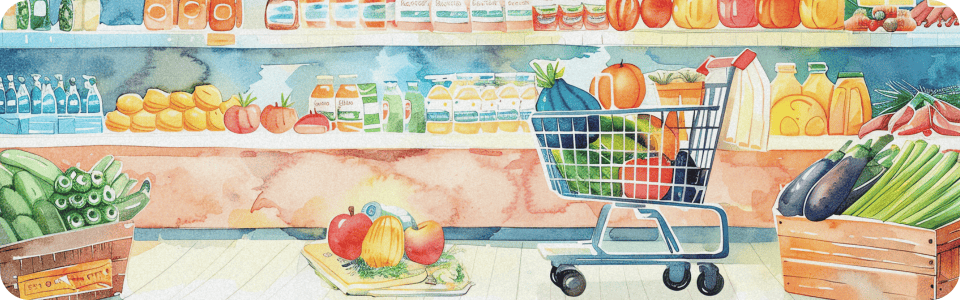
In psychology, the "Peak-End Rule" suggests that people judge an experience largely based on how they felt at its peak and its end. Since the end of a grocery shop is often the most stressful part (checking prices, waiting in line), retailers are introducing Post-Checkout "Surprise & Delight" mechanics. Users who reach a spending milestone unlock a digital "Weekly Wheel" spin for prizes ranging from free samples to a fully comped bill. This replaces predictable, margin-killing points with variable rewards, ensuring the shopper leaves on a dopamine high and is guaranteed to return the following week.
The Velocity Framework: Your Transactional Middleware
In the high-volume world of 2026 grocery, the biggest obstacle to innovation isn't a lack of consumer insight; it’s the legacy POS bottleneck. While marketing teams want to turn a boring checkout into a rewarding moment, the technical complexity of updating massive retail databases often kills the project before it starts.
This is where the Guul infrastructure functions as your Agile Middleware. Guul provides a lightweight, browser-based layer that bridges the gap between your physical shelves and digital app without requiring a massive overhaul of your core transactional systems. You can now deploy a visual "Recipe Swipe" profiler or an on-pack "Digital Scratch-Card" campaign within days, rather than fiscal quarters. Whether you need to sync shopper intent data directly to your CRM to break the "autopilot loop" with personalized offers, or host a high-concurrency "Weekly Wheel" post-checkout, Guul provides the high-velocity framework to turn a routine chore into a digital ritual.
Don’t let rigid databases dictate your customer’s loyalty. Build a behavioral bridge that captures data and drives discovery at scale.
Conclusion
In 2026, grocery shopping shouldn't feel like a chore on autopilot. By injecting behavioral architecture into the aisle, brands and retailers can transform the weekly routine into a rewarding ritual capturing margins and data along the way.
Key Takeaways
-
Ditch the Flat Discount: Variable rewards (a chance to win big) are mathematically more efficient and psychologically more powerful than a 5% coupon.
-
Own the Intent, Not Just the Transaction: Use gamified profilers to understand who your customer is eating with and why they choose specific products.
-
Bridge the Offline-to-Online Gap: Use on-pack gamification to turn "anonymous" shelf-shoppers into "known" digital customers.
-
Incentivize Discovery: Break the autopilot habit by rewarding users for adding one new, high-margin item to their weekly "usuals" list.
-
Focus on the "Peak-End": Make the final moment of the shopping journey the most exciting one. If they leave happy, they stay loyal.
Frequently Asked Questions
1. How does Guul handle the massive volume of a national grocery chain? Guul is built for high-concurrency environments. Whether it's a "Free Basket" giveaway during peak hours or a national QR code campaign, our infrastructure ensures the engagement layer stays live and stable across millions of interactions.
2. Can an FMCG brand use Guul without the retailer's cooperation? Yes. By using on-pack QR codes, brands can launch browser-based Guul games that live independently of the grocery store's app, allowing them to collect their own Zero-Party Data directly from the consumer.
3. How do you prevent "gaming the system" in a "Free Basket" campaign? Guul’s Reward & Incentive Configuration allows retailers to set strict mathematical probabilities and caps. You can ensure the "big win" only happens once a week or within a specific budget, while everyone else gets smaller, high-margin "consolation" rewards.
4. How does "Recipe Swiping" improve basket size? Traditional shopping is based on lists. Recipe Swiping is based on aspiration. When a user swipes right on a "Steak Night" meal, Guul can nudge them to add the premium seasoning, the matching wine, and the side salad, turning a 2-item purchase into a 6-item basket.
5. Does gamification work for older demographics in grocery? Absolutely. Grocery shopping is a universal task. Simple mechanics like "Digital Scratch Cards" or "Spinning Wheels" are intuitive across all ages. In 2026, the desire for "Surprise & Delight" is a powerful motivator for every generation.



 GDPR Complience